What drives the price of a dock
Two docks the same length can be thousands apart. Water depth decides pile length and barge time, bottom composition decides how the pilings are set, and exposure decides how heavy the framing needs to be.
- Length to usable water depth — the biggest single cost driver
- Piling count, length and material (treated timber vs. concrete)
- Decking choice: pressure-treated pine, hardwood or composite
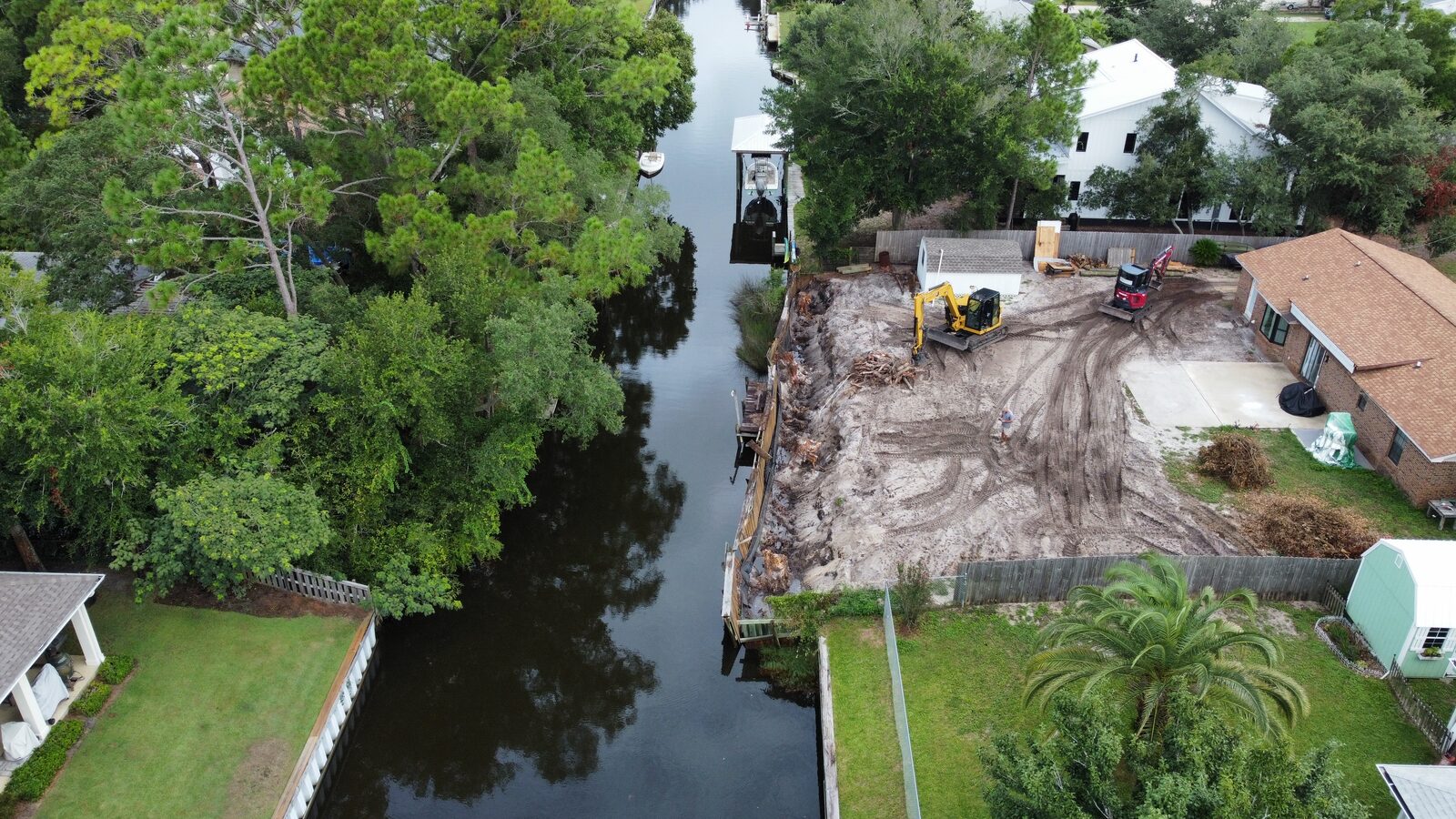
- Access — a lot we can drive to is cheaper than a barge-only build
- Extras: water and power runs, benches, roof, boat lift
Ranges we quote most often
For a straightforward residential build in protected water, most homeowners land in a familiar band. Long piers into open water, heavy exposure or a roofed structure push higher.
Short walkway and platform
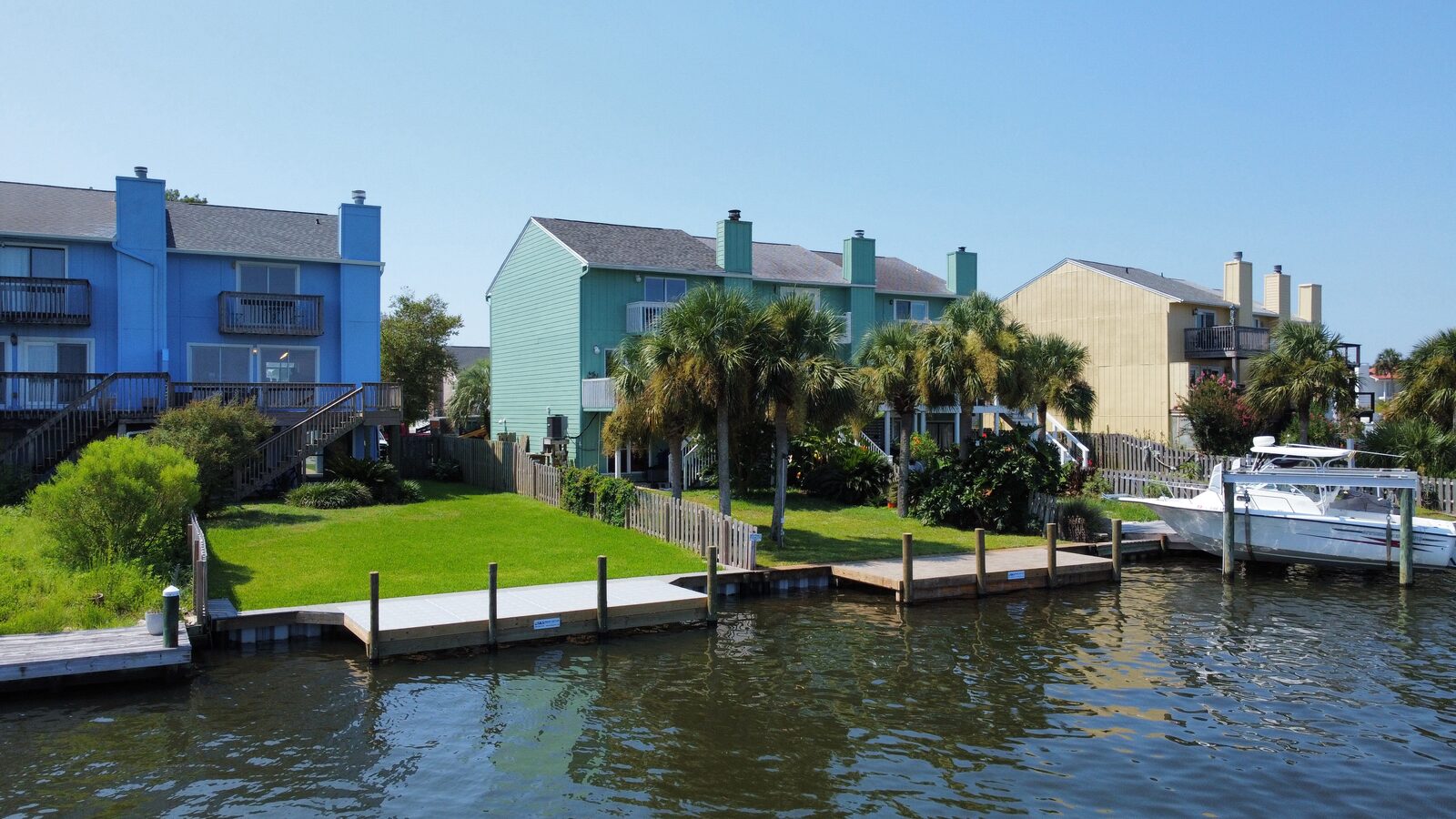
A modest walkway to a small platform in shallow, protected water is the entry point. Timber pilings, treated framing, treated decking.
Full pier with terminal platform
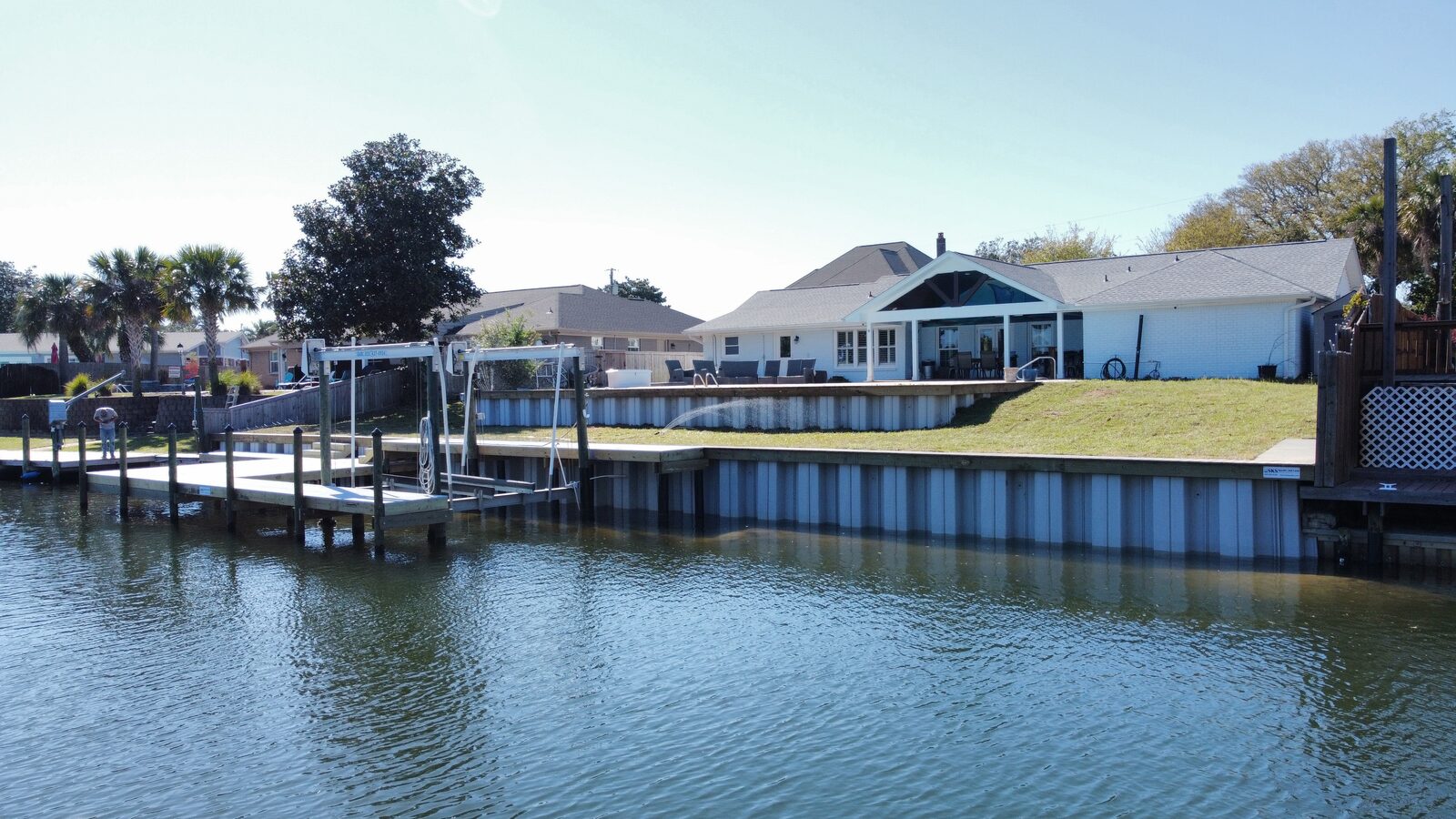
Longer runs out to usable depth, wider terminal platforms, heavier framing and often a lift bay. This is the most common request we build.
Covered dock or boathouse
A roof adds structure, uplift bracing and a wind-load conversation with the county. Expect a meaningful step up over an open dock.
Where people lose money
Undersized pilings, fasteners that were not rated for saltwater, and skipping the permit are the three failures we get called to fix. All three cost more to repair than they did to do right.
Getting a real number
We walk the property, sound the water depth, look at the shoreline and give you a written figure with a scope you can compare line for line. Estimates are free and on-site.
Related service
Custom docks, piers, decks and boardwalks engineered for tide, storm surge and salt.
Marine Construction