How each one works
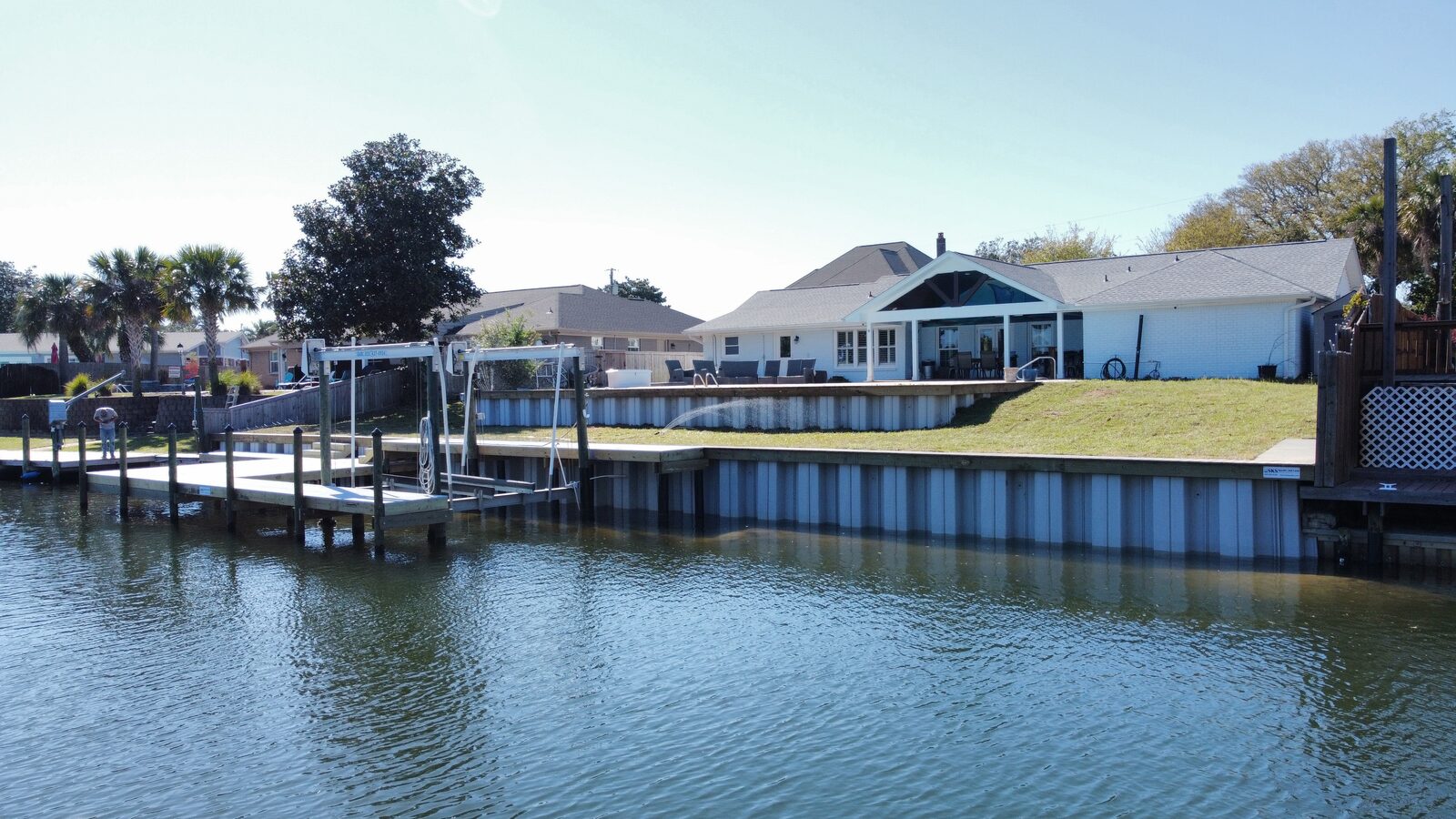
A seawall is a vertical barrier — it stops water at a hard line. Rip rap is a graded stone slope that absorbs wave energy and lets water dissipate through the voids instead of bouncing back.
When a seawall is the right call
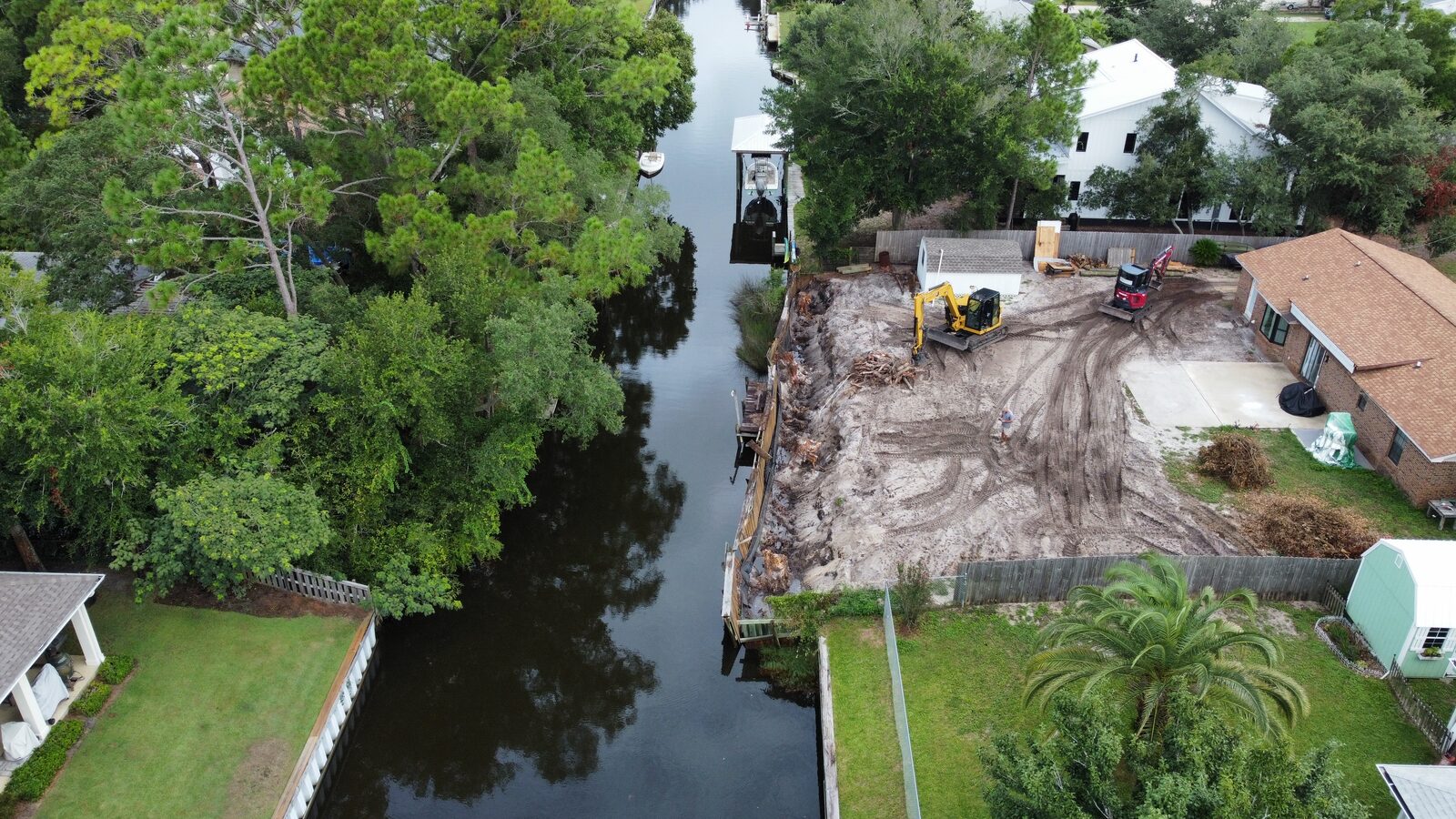
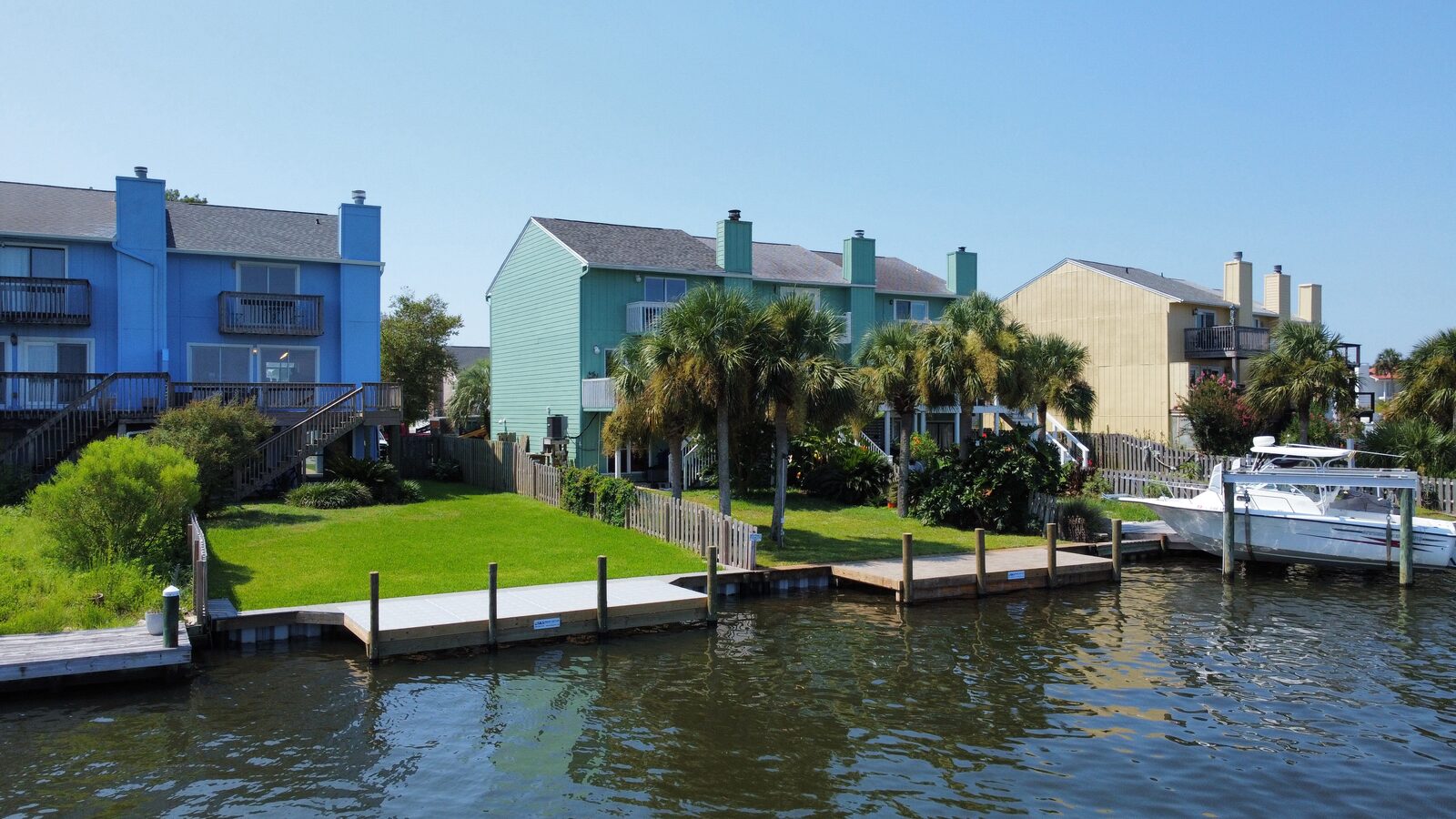
Seawalls make sense where you need to keep every foot of usable yard, where the bank is already cut vertical, or where a neighbor's wall sets the line. They also give you a clean edge for a dock or boat lift tie-in.
- Tight lots where a sloped revetment would eat the lawn
- Existing vertical bank or an adjacent wall to match
- Bulkheading behind a dock or slip
When rip rap wins
On high-energy shorelines, rip rap usually outlives a wall of similar cost. It flexes, it can be added to, and it does not build up the hydrostatic pressure behind it that cracks panels and tips caps.
Cost, permitting and lifespan
Rip rap is often cheaper to install per foot and easier to permit as shoreline stabilization. A properly built seawall costs more up front but returns more usable land. Either way, drainage behind the structure is what determines whether it lasts twenty years or five.
What we recommend most often
A hybrid: wall where the yard is tight and access matters, rip rap at the toe or on the exposed ends. We size it from the actual wave exposure on your lot, not a template.
Related service
Vinyl and concrete seawalls, riprap revetment and bank restoration.
Seawalls & Shoreline Stabilization